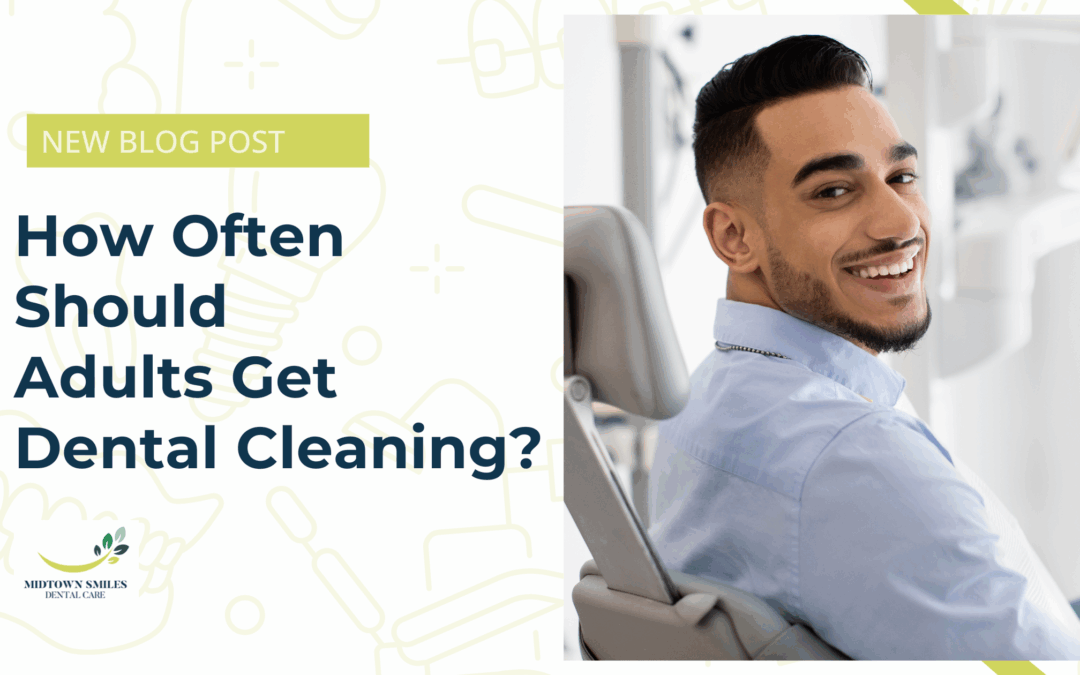
Most adults should get a professional dental cleaning every six months, but this is not a universal rule. The ideal cleaning frequency depends on your oral health, medical history, and risk factors for gum disease and tooth decay.
Why do adults need regular dental cleanings?
Dental cleanings remove plaque and tartar that cannot be eliminated with brushing and flossing alone. Over time, hardened tartar contributes to cavities, gum inflammation, and periodontal disease.
Professional cleanings help:
-
Prevent gum disease and tooth loss
-
Reduce the risk of cavities
-
Detect early oral health issues
-
Maintain overall oral hygiene
According to the American Dental Association, routine dental visits play a critical role in preventing oral diseases before they become serious or costly to treat.
Is twice a year dental cleaning necessary for everyone?
No. While twice a year works well for many adults, some people benefit from more frequent cleanings, while others may need them less often.
Dental professionals individualize cleaning schedules based on risk, not tradition.
Who may need dental cleanings more often?
You may be advised to have cleanings every 3–4 months if you:
-
Have gum disease or a history of periodontal issues
-
Are prone to heavy plaque or tartar buildup
-
Have diabetes or immune-related conditions
-
Smoke or use tobacco products
-
Wear orthodontic appliances
The Canadian Dental Association emphasizes that patients with higher oral health risks benefit from more frequent preventive care.
Can some adults safely get cleanings less often?
In limited cases, adults with:
-
Excellent oral hygiene
-
Low cavity risk
-
No gum disease
-
Consistent home care habits
may be advised to stretch cleanings beyond six months. However, this should only be decided by a dental professional, not assumed.
Research published in the National Institutes of Health indicates that cleaning frequency should be risk-based rather than one-size-fits-all.
What happens during a routine dental cleaning?
A standard professional cleaning typically includes:
- Plaque and tartar removal (scaling)
- Polishing to remove surface stains
- Gum health assessment
- Oral health screening
These steps help maintain healthy teeth and gums between checkups.
Does skipping cleanings cause long-term problems?
Yes. Skipping regular cleanings can lead to:
-
Gum inflammation and bleeding
-
Periodontal disease
-
Tooth decay
-
Bad breath
-
Tooth loss in advanced cases
The World Health Organization links poor oral health to broader systemic health issues, including cardiovascular disease and diabetes complications.
How do dentists decide the right cleaning schedule?
Dentists assess:
-
Gum measurements and inflammation
-
Tartar buildup rate
-
Medical history
-
Lifestyle habits
-
Past dental issues
Your cleaning schedule should evolve over time as your oral health changes.
How often should you talk to your dentist about cleanings?
You should revisit your cleaning frequency at every dental checkup. Oral health is dynamic, and what worked last year may not be ideal today.
Key takeaway
At Midtown Smiles Dental Care, patient education and preventive care go hand in hand. By taking the time to assess each adult’s oral health and risk factors, the team creates personalized cleaning schedules designed to support long-term dental wellness. This thoughtful approach reflects a commitment to helping the Midtown community maintain healthy smiles at every stage of life.
Frequently asked questions about adult dental cleanings
Can dental cleanings damage enamel?
No. Professional cleanings are safe and designed to protect enamel when performed correctly.
Are dental cleanings painful?
Most cleanings are comfortable. Patients with sensitive gums may feel mild discomfort, which can be managed.
Is brushing twice a day enough without cleanings?
No. Brushing and flossing are essential, but they cannot remove hardened tartar.