How Gum Disease Affects Your Heart and Immune System
Most people think of gum disease as a dental issue. Bleeding gums. Bad breath. Maybe loose teeth.
But gum disease does not stay in your mouth.
Over the past two decades, research has shown that periodontal disease is closely linked to heart health and immune function. What starts as inflammation in your gums can influence the rest of your body in ways many people do not expect.
At Midtown Smiles Dental Care, we believe prevention is more than protecting teeth. It is about protecting your overall health.
How Can Gum Disease Affect the Heart?
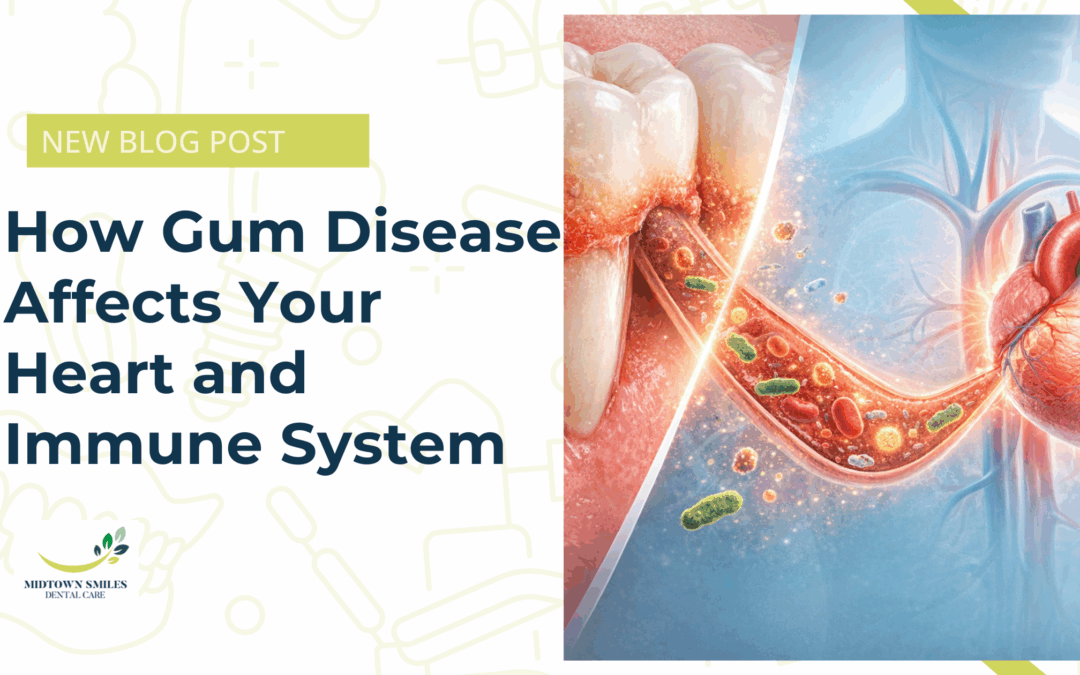
Your gums are full of tiny blood vessels. When they are healthy, they form a protective barrier. When they are inflamed or infected, bacteria can enter the bloodstream.
Once in circulation, two important things can happen:
1. The immune system responds by increasing inflammation throughout the body.
2. Certain oral bacteria may contribute to changes inside blood vessels.
The American Heart Association has acknowledged a significant association between periodontal disease and cardiovascular conditions such as atherosclerosis, heart attack, and stroke.
To be clear, gum disease does not directly cause heart disease on its own. But chronic inflammation is a known risk factor for cardiovascular problems, and untreated periodontal disease contributes to that inflammatory burden.
In other words, your mouth can influence your heart more than you think.
What Happens to the Immune System?
Your immune system is designed to fight short-term infections and then settle back down.
Gum disease keeps it busy.
Because periodontal infection is ongoing, the immune system stays activated. Over time, this constant state of alert can:
-
Increase systemic inflammation
-
Raise markers like C-reactive protein
-
Put added strain on the body’s natural defenses
The National Institute of Dental and Craniofacial Research explains that chronic oral inflammation can influence immune pathways that affect the entire body.
This is especially important for people who:
-
Have diabetes
-
Live with autoimmune conditions
-
Are managing heart disease
-
Are older adults
There is even a two-way relationship between diabetes and gum disease. Poor blood sugar control increases the risk of gum infection, and severe gum disease can make blood sugar harder to manage.
Your body is interconnected. No system works alone.
How to Protect Your Gums and Support Your Body
Healthy habits make a difference:
-
Brush twice daily with fluoride toothpaste
-
Floss daily to remove bacteria between teeth
-
Schedule regular professional cleanings
-
Avoid tobacco
-
Manage medical conditions like diabetes
Consistency matters more than intensity.
Small habits reduce long-term risk.
The Bottom Line
Your mouth is not separate from your body.
Healthy gums support more than a healthy smile. They support your immune system, reduce inflammation, and contribute to long-term wellness.
.Chronic gum inflammation does not resolve on its own. When bacteria remain under the gumline, professional periodontal disease treatment may be necessary to prevent long-term damage. At Midtown Smiles Dental Care, our Kitchener dental clinic provides comprehensive evaluation and customized care plans designed to protect both oral and overall health.
Frequently asked questions about adult dental cleanings
Does gum disease mean I will get heart disease?
No. Gum disease is one of several risk factors linked to cardiovascular conditions. Managing inflammation reduces risk but does not guarantee outcomes.
Is early gum disease reversible?
Yes. Gingivitis can usually be reversed with professional cleaning and improved oral hygiene. Advanced periodontitis requires ongoing care.
Is brushing twice a day enough without cleanings?
Bleeding is a sign of inflammation. Pain is not always present in early gum disease, which is why routine exams are important.